




Look before quoting
I go through the store, the theme and the app footprint before putting a number on anything. If what you have asked for is the wrong fix, that is the point at which it is cheap to say so.
Ecommerce and brand systems.Driven by revenue. Built with Shopify and code.
Custom Liquid theme builds, page speed optimization, and seamless platform migrations for growing D2C brands. I currently lead Shopify development for a high-traffic wearable-tech storefront.
Capabilities & Services
Six high-impact specialisms designed to maximize conversion rates, eliminate app lag, and scale paid traffic without downtime.
Bespoke Shopify 2.0 theme builds and store redesigns engineered from Figma. Pixel-perfect frontends, modular Liquid sections, and lightning-fast mobile checkouts built to convert paid traffic.
Stores get slow as apps, tracking tags and unoptimized media accumulate. I audit what real shoppers experience, defer render-blocking scripts, and prune third-party bloat so the store is fast on the phones people actually buy from.
Move from WooCommerce, WordPress, Wix, Squarespace, or Magento to Shopify without losing catalogue structure, customer histories, or search rankings through strict 1-to-1 redirect mapping.
Data-backed UX sprints designed to turn ad clicks into buyers. Faster slide-out cart drawers, high-intent product badges, mobile sticky add-to-cart, and streamlined checkout flows.
Bundles, cross-sells, size charts, lookbooks, and alteration options built directly into your theme. Save hundreds in monthly app subscriptions while removing heavy external JavaScript.
Dedicated senior Shopify developer on retainer for growing brands. Priority turnaround, new feature launches, bug fixes, campaign landings, and continuous speed and conversion monitoring.
I go through the store, the theme and the app footprint before putting a number on anything. If what you have asked for is the wrong fix, that is the point at which it is cheap to say so.
Lighthouse, Core Web Vitals field data, and where customers actually drop off. Without a baseline there is no way to prove afterwards that anything changed.
Your live store keeps taking orders throughout. Nothing is published until you have seen it working and told me to go ahead.
Changes go out in isolated pieces rather than as one release, so if something regresses it is obvious which change caused it and it can be rolled back on its own.
Commented code, a written summary of what changed and why, and theme editor settings for anything your team will want to adjust. You should not need me for a copy change.
Live storefronts across the UK, Australia and Pakistan. Each one is still in production.
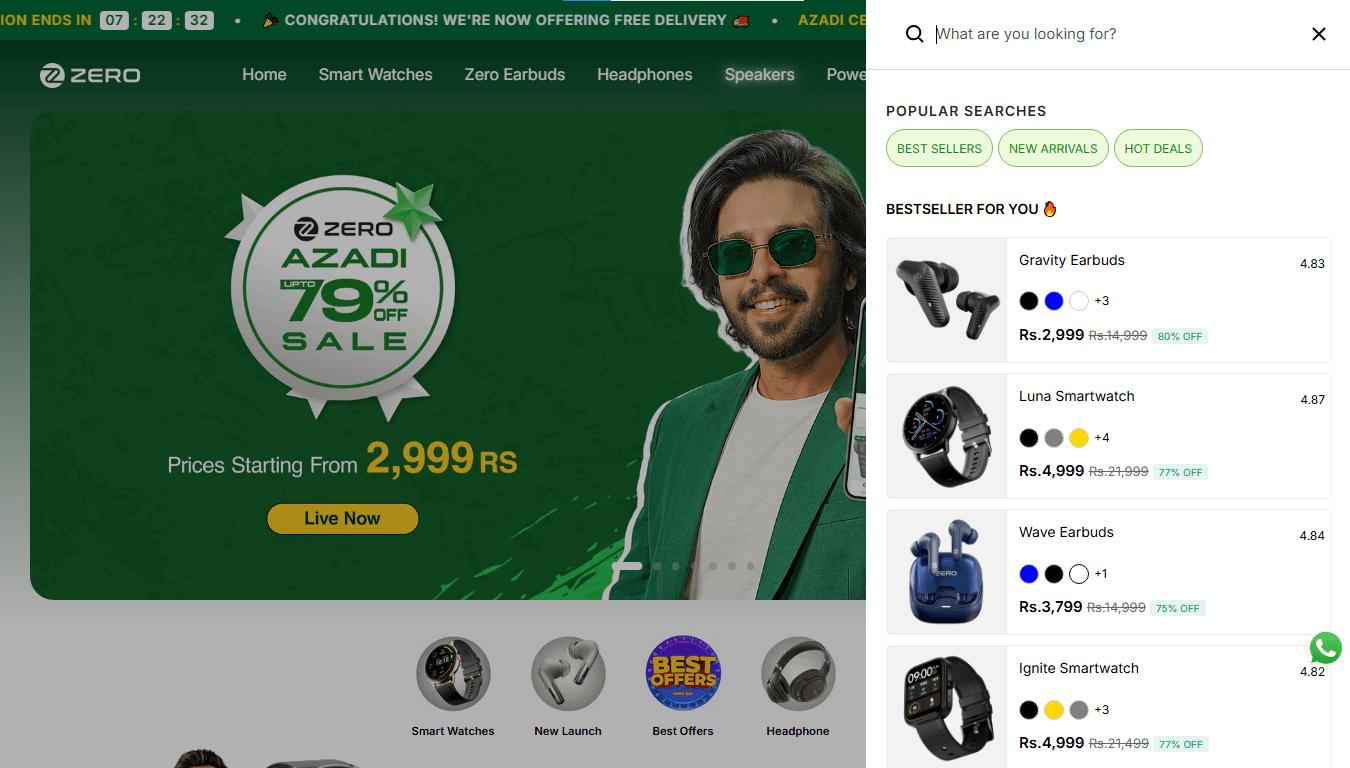
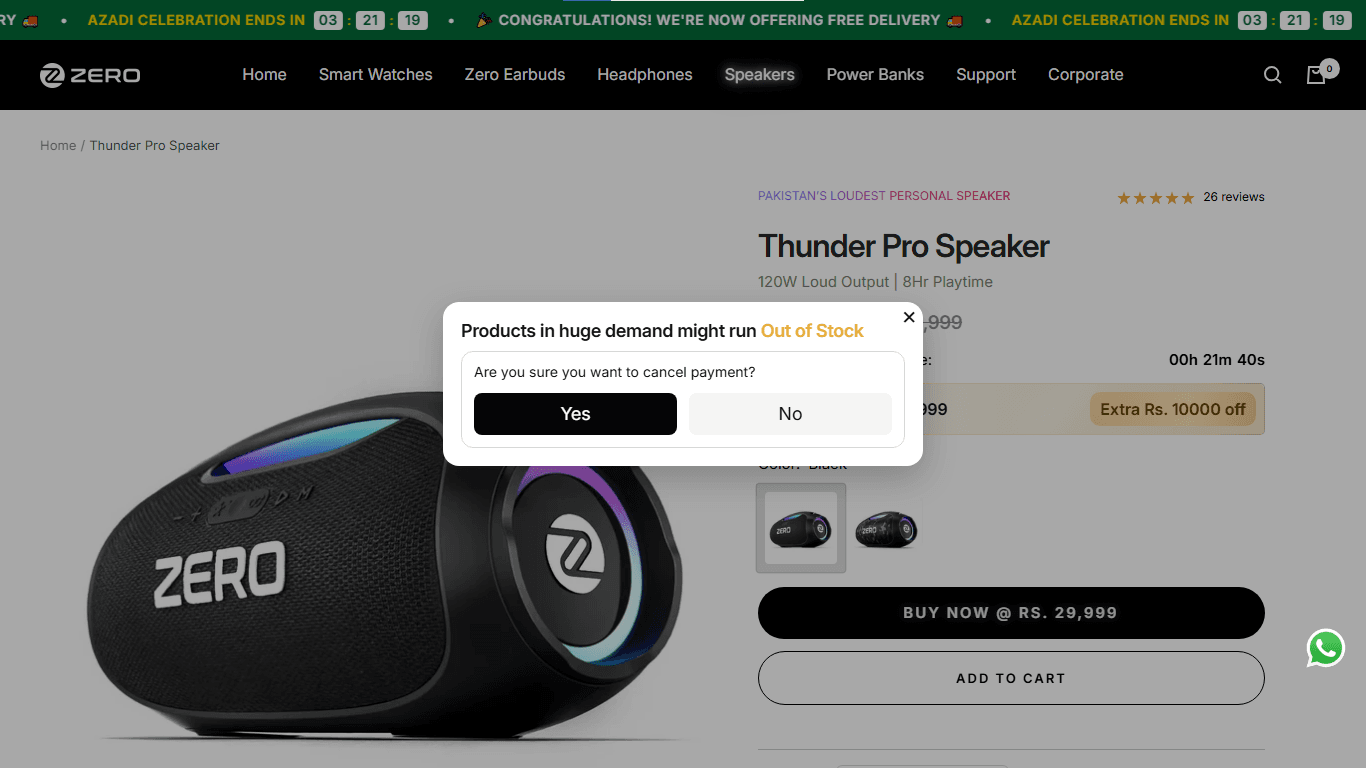
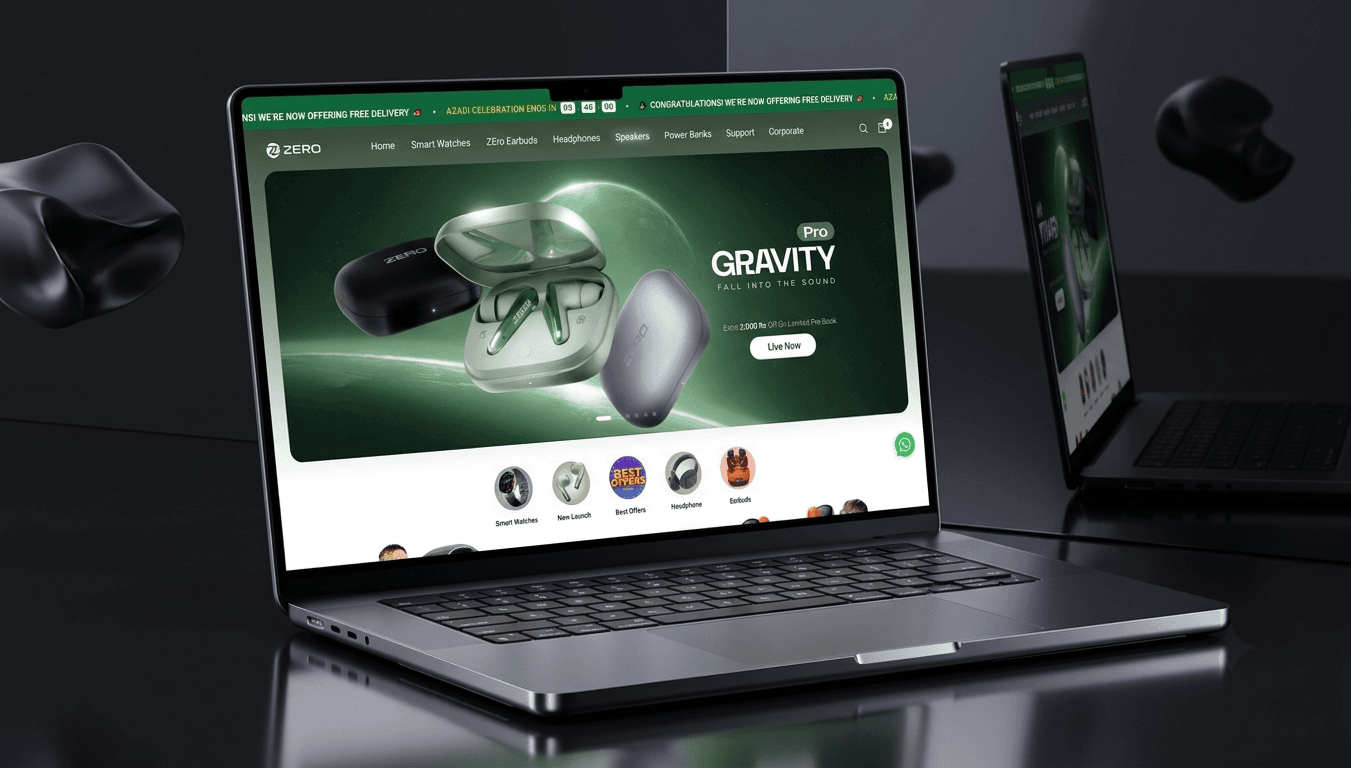 01Zero LifestyleConsumer tech brand selling smartwatches, earbuds and audio across Pakistan.Theme architecturePerformanceCampaign tooling
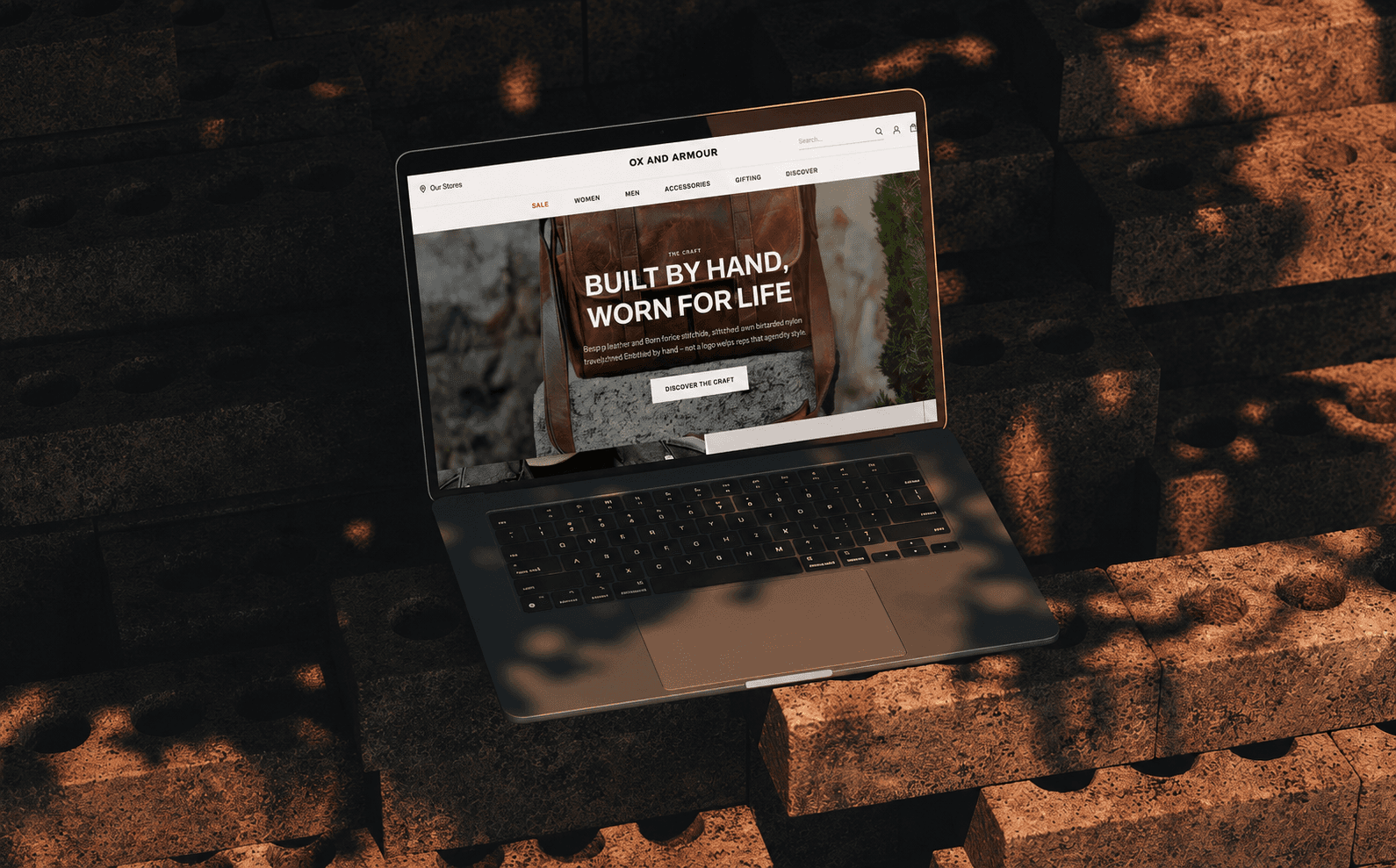 02Ox & ArmorHandcrafted full-grain leather jackets and luxury accessories, sold from the UK.Custom themeEditorial sectionsMega-menu architecture
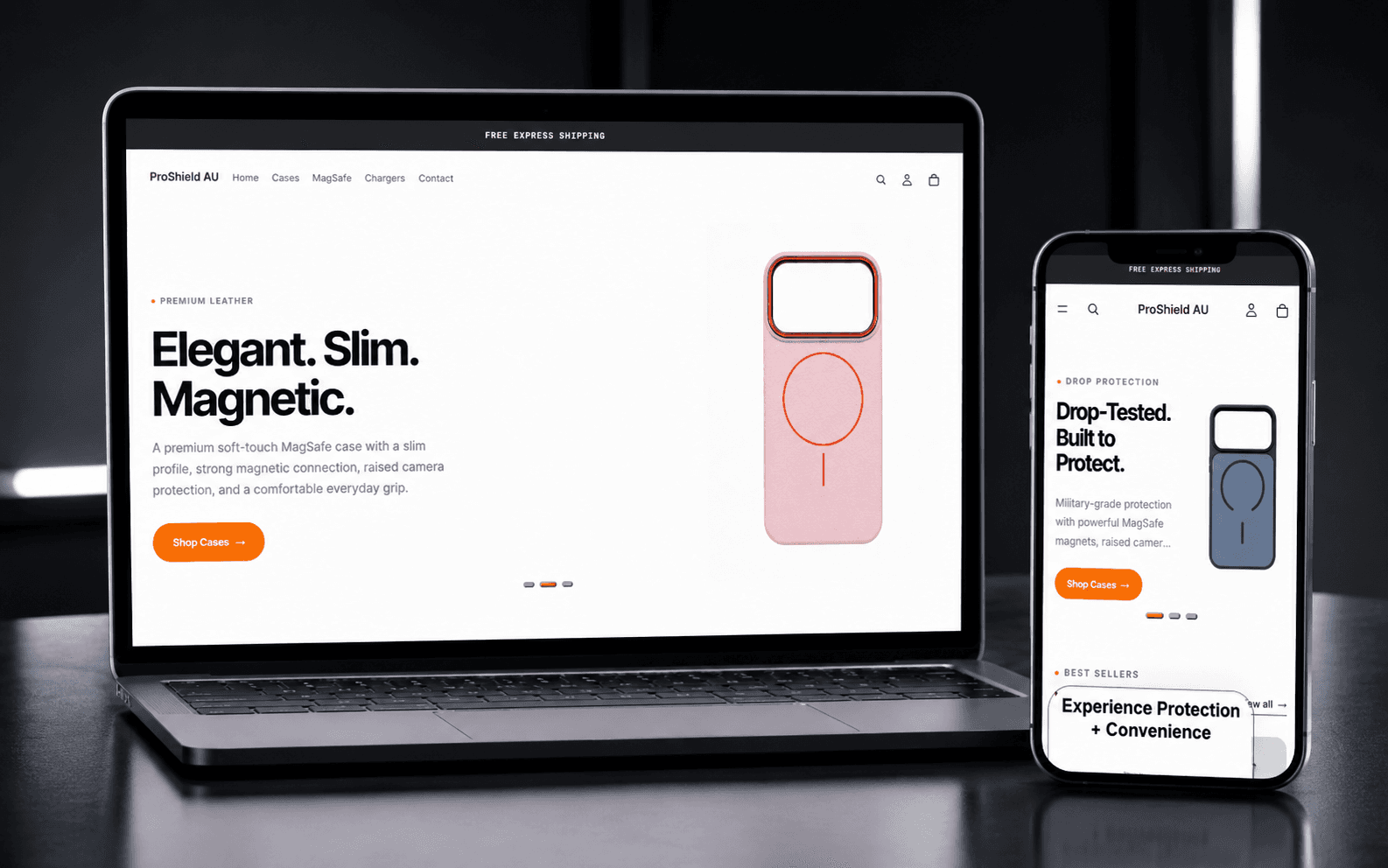 03ProShieldiPhone cases, MagSafe accessories and charging gear, sold across Australia.Device compatibility selectorBundlesPDP conversion
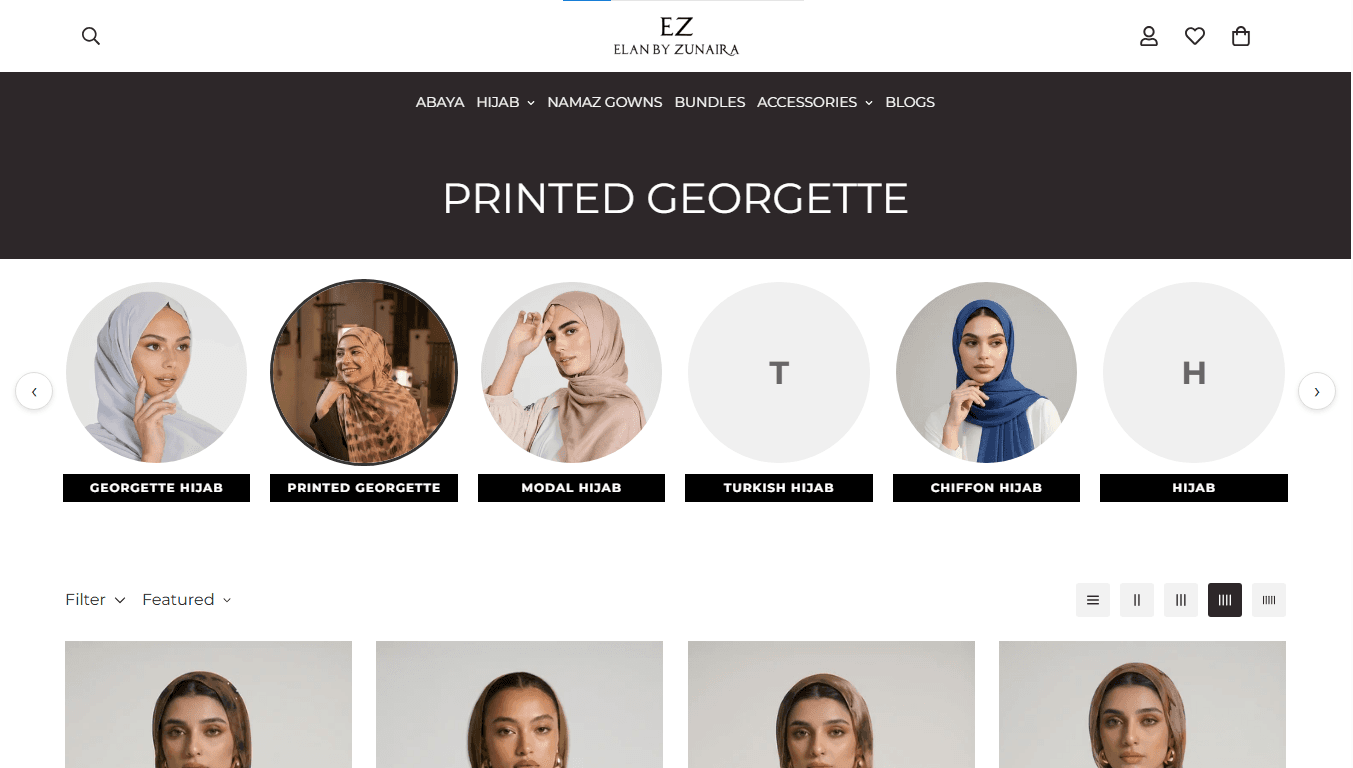
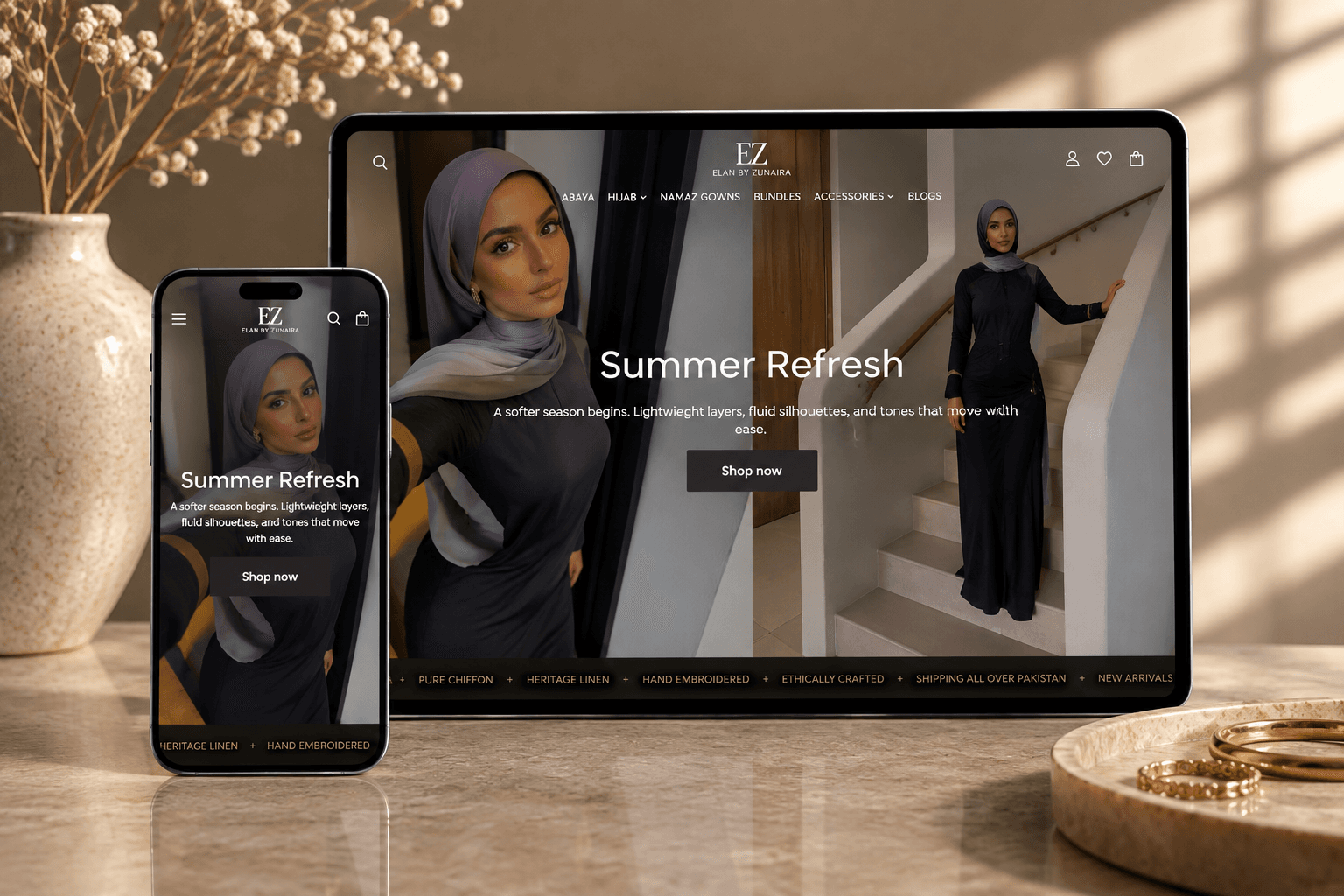 04Elan by ZunairaModest fashion label with a catalogue organised by fabric rather than type.Fabric filteringBundle productsMega-menu
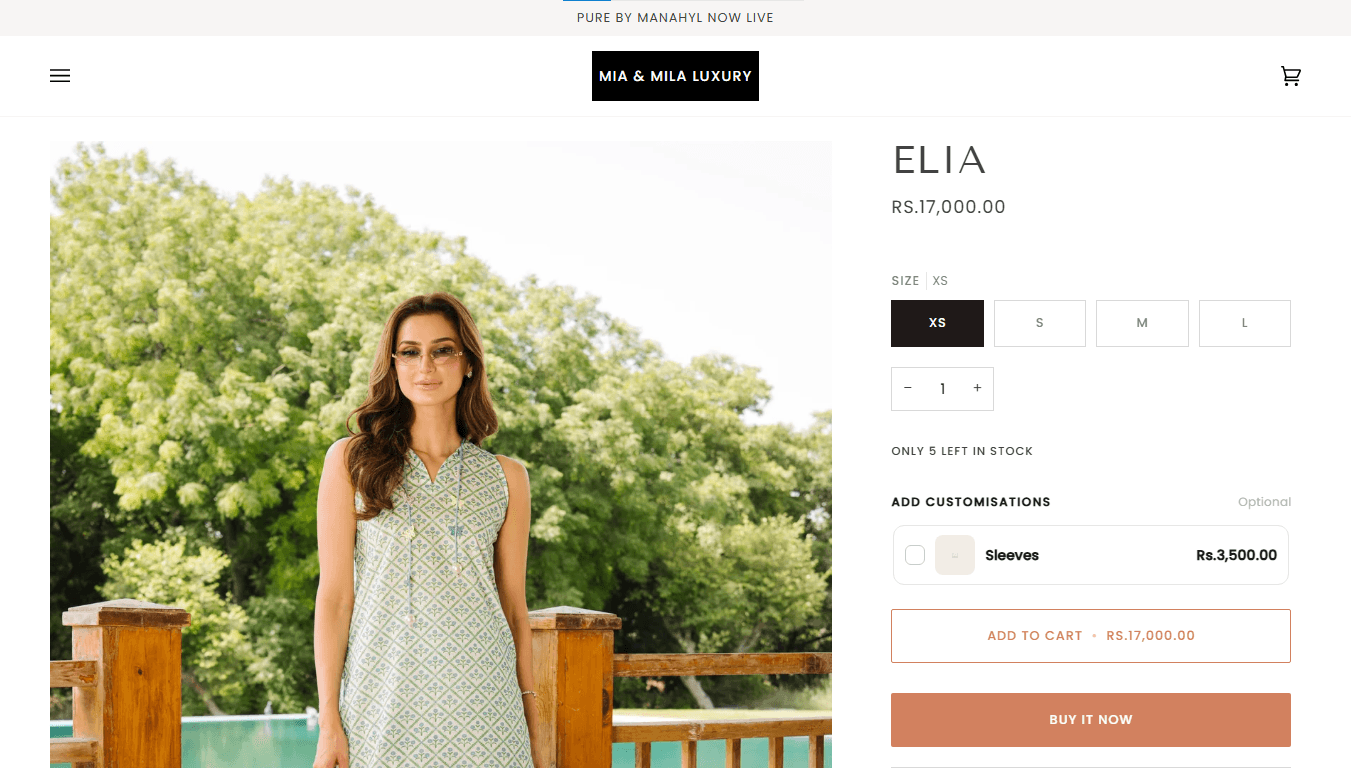
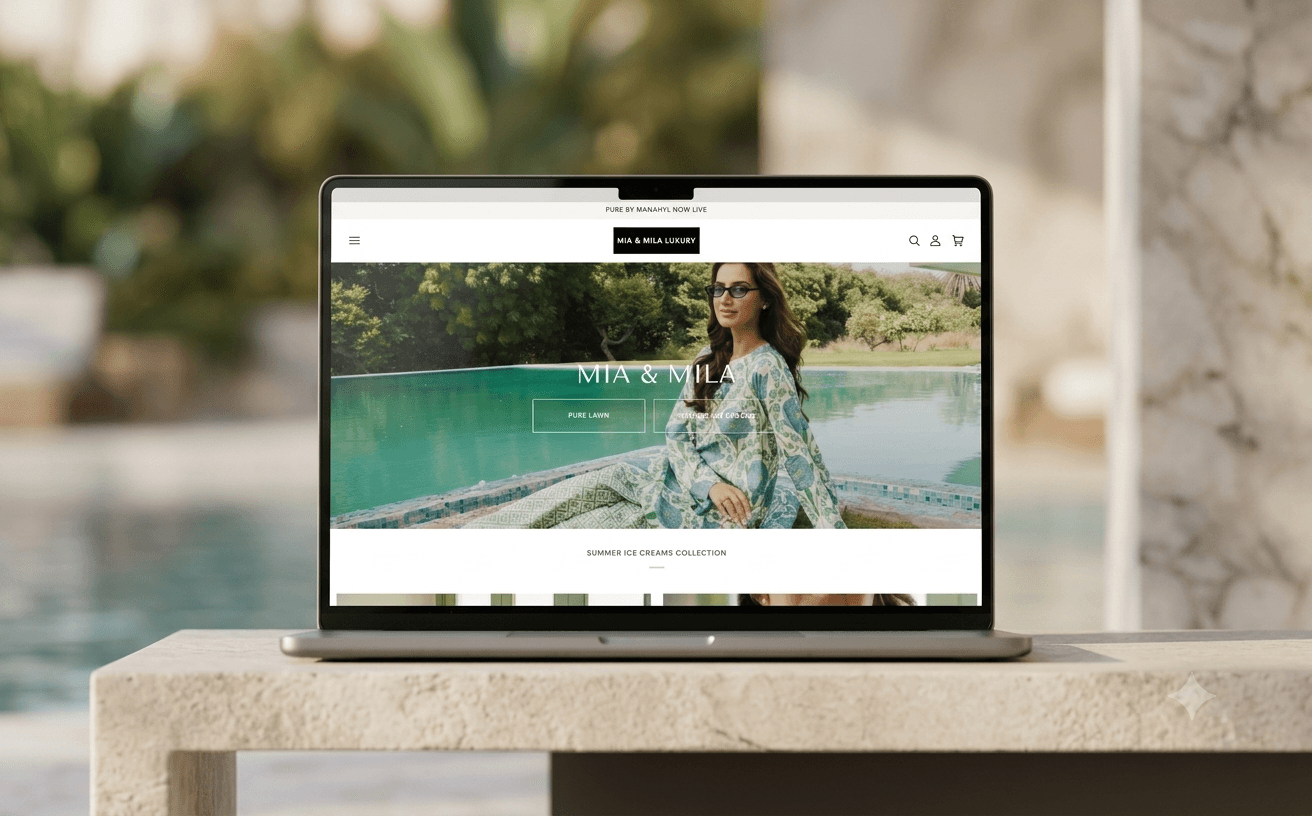 05Mia & MilaLuxury ethnic wear spanning children's, teens' and women's ranges.Custom add-onsVariant architectureSeasonal merchandising
 06ComforshErgonomic comfort products for home, office and travel, sold across the EU in four languages.Full store buildFour-language storefrontCategory architecture
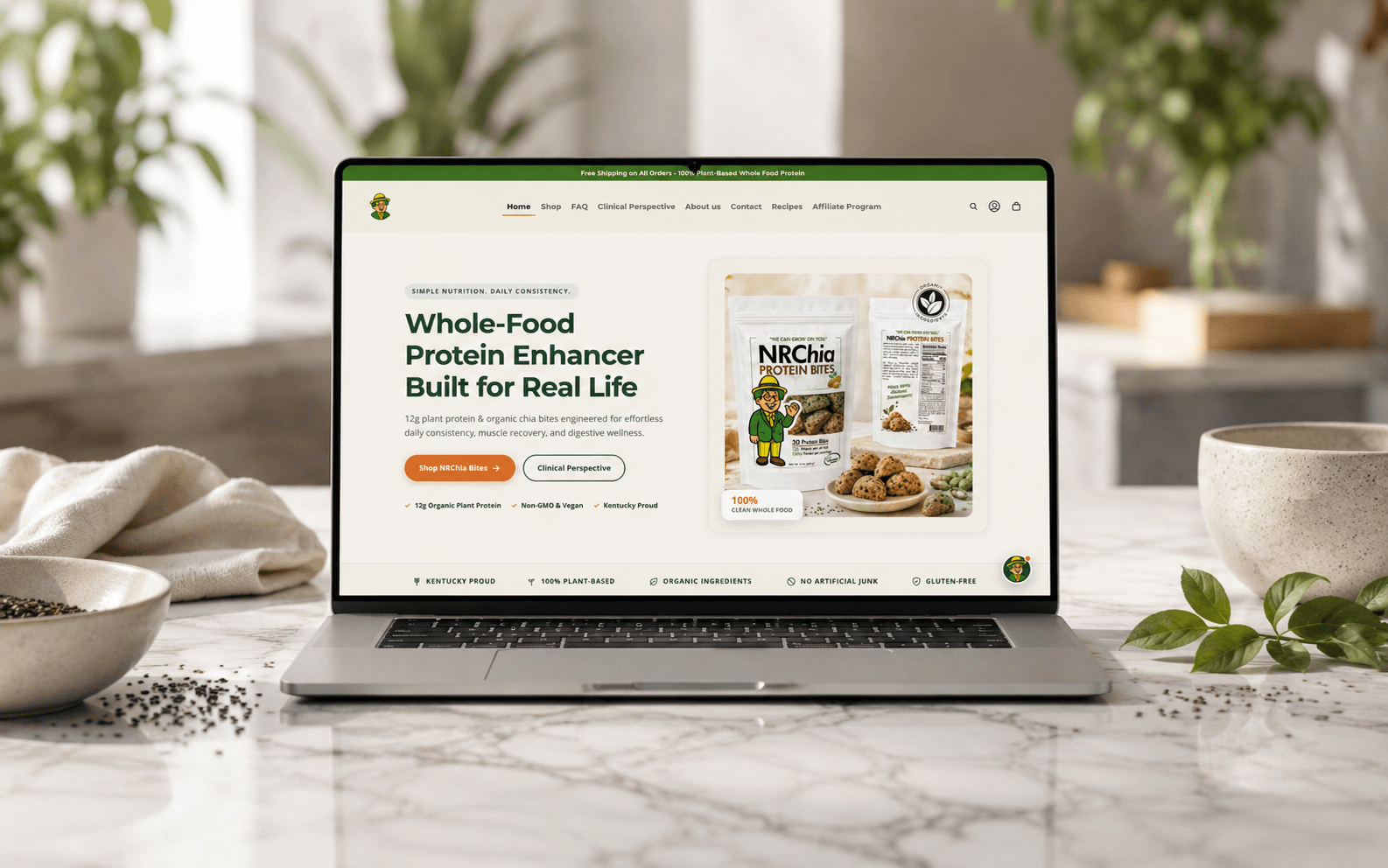 07NRChia FoodsOrganic plant-based protein bites — vegan, gluten-free and made without artificial sweeteners.Full store buildProduct storytellingConversion-led PDP
 08Inelia RecordsAn independent music label selling albums, lyrics and merchandise direct to its own audience.Full store buildAlbum and merch catalogueRelease merchandising
 09Inelia Benz BooksA publishing storefront for fiction and non-fiction, organised by series rather than by title.Full store buildSeries-based collectionsPre-order and release flow
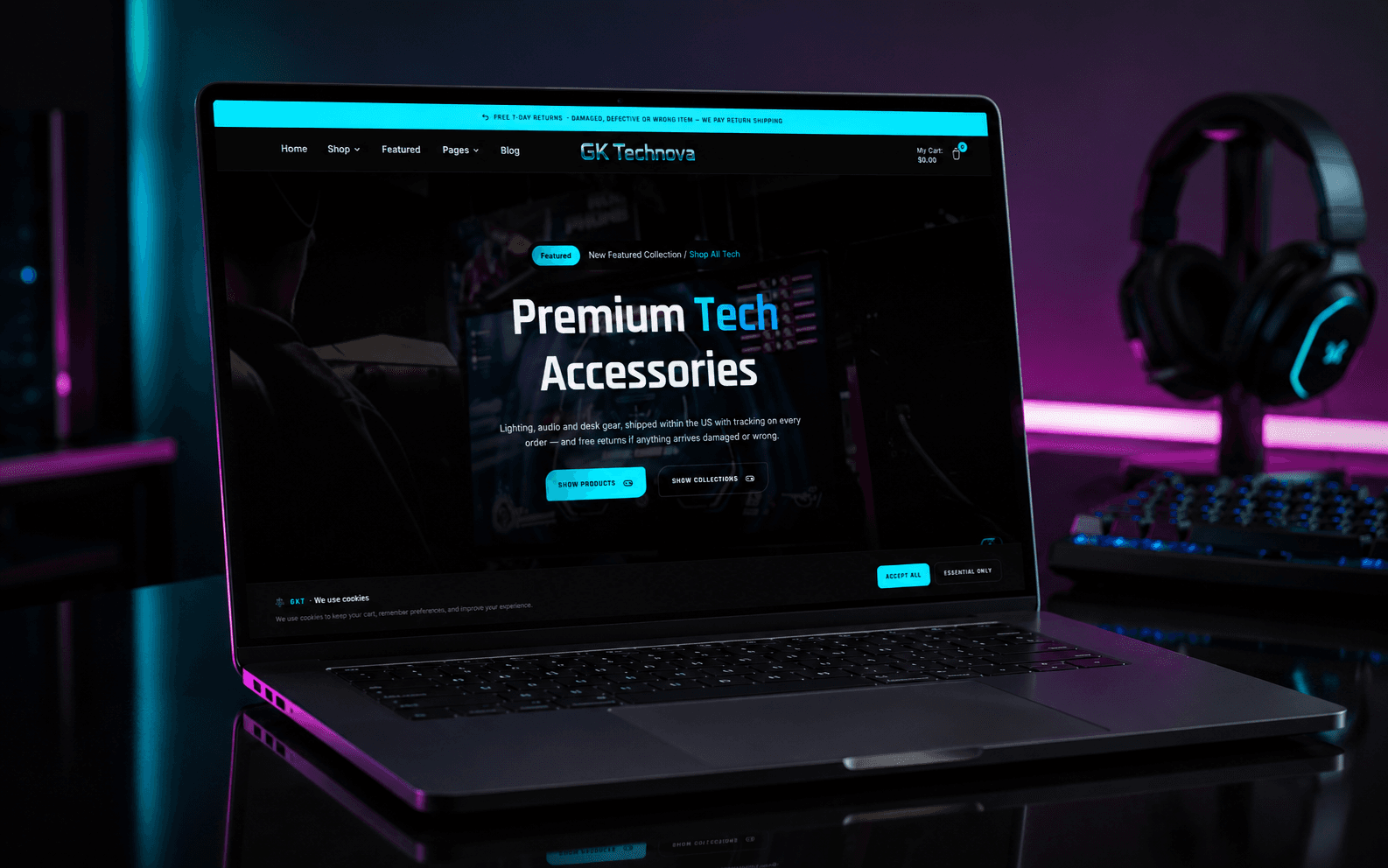 10GK TechnovaPremium tech accessories — ambient lighting, audio and gaming gear for desk setups.Full store buildCollection architectureMobile-first PDP
Why Brands Choose Bilal
I lead Shopify architecture for Zero Lifestyle, a high-traffic wearable-tech storefront. Your store gets the exact engineering standards and high-concurrency resilience required at real scale.
Speed is treated as a core feature with a budget. On key templates, I defer what blocks first render, eliminate layout shifts, and measure before and after so you see the change rather than hear about it.
You work directly with the senior developer writing your code. No account managers, no salesperson pitches, and no junior handoffs — clear daily communication and fast turnarounds.
// Staging-first rollout
const release = {
  stagingUrl: 'preview-theme',
  downtime: 0,
  status: 'Approved'
};All development happens on a private duplicate theme. Live sales, checkout and tracking are never disrupted, and nothing goes live until you test and approve it.
Fixed scopes with clear milestones. Store builds start at $6,000, CRO sprints at $2,500, and ongoing store retainers at $1,500/month — no hidden hourly surprise bills.
“Most of our storefront was hardcoded, so every campaign meant waiting on a developer to change a line of text. Those areas were rebuilt so our own team edits them, and the back office work we were doing by hand every day is now automated.”
“We wanted customers to be able to add alterations to a piece, and the app we were paying for could not even tell us which garment an alteration belonged to. What we described is what got built, and we stopped paying for the app.”
“The theme was built from scratch rather than adapted from a template. Every section on the store is ours and behaves the way we asked for it.”
Showcase
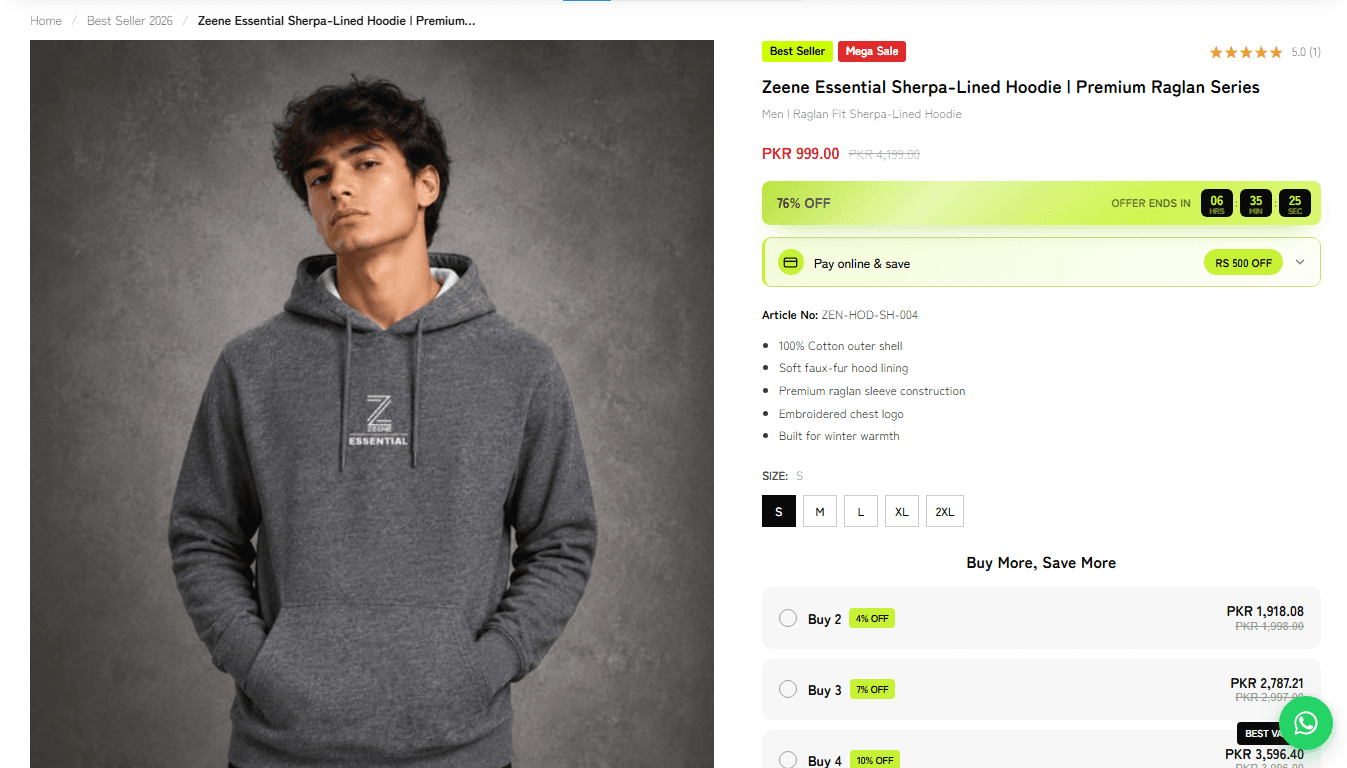
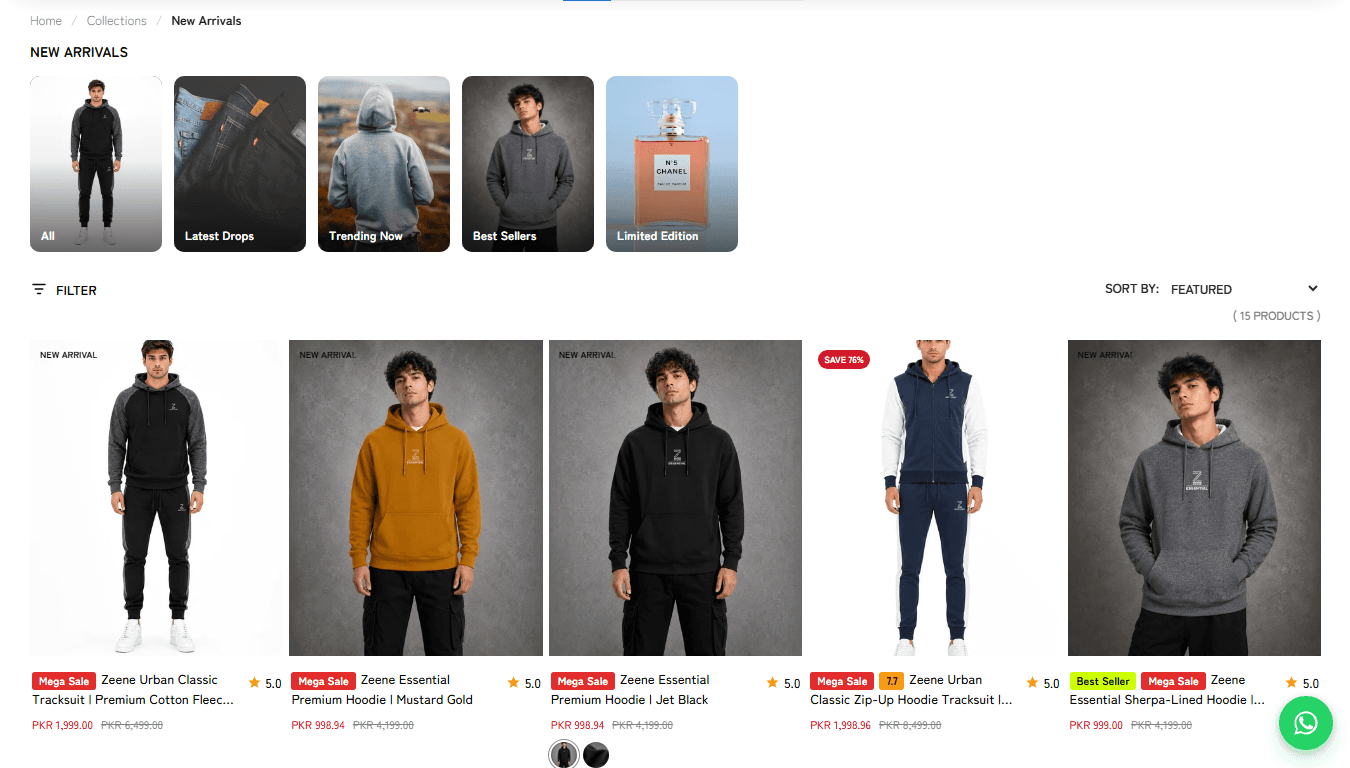
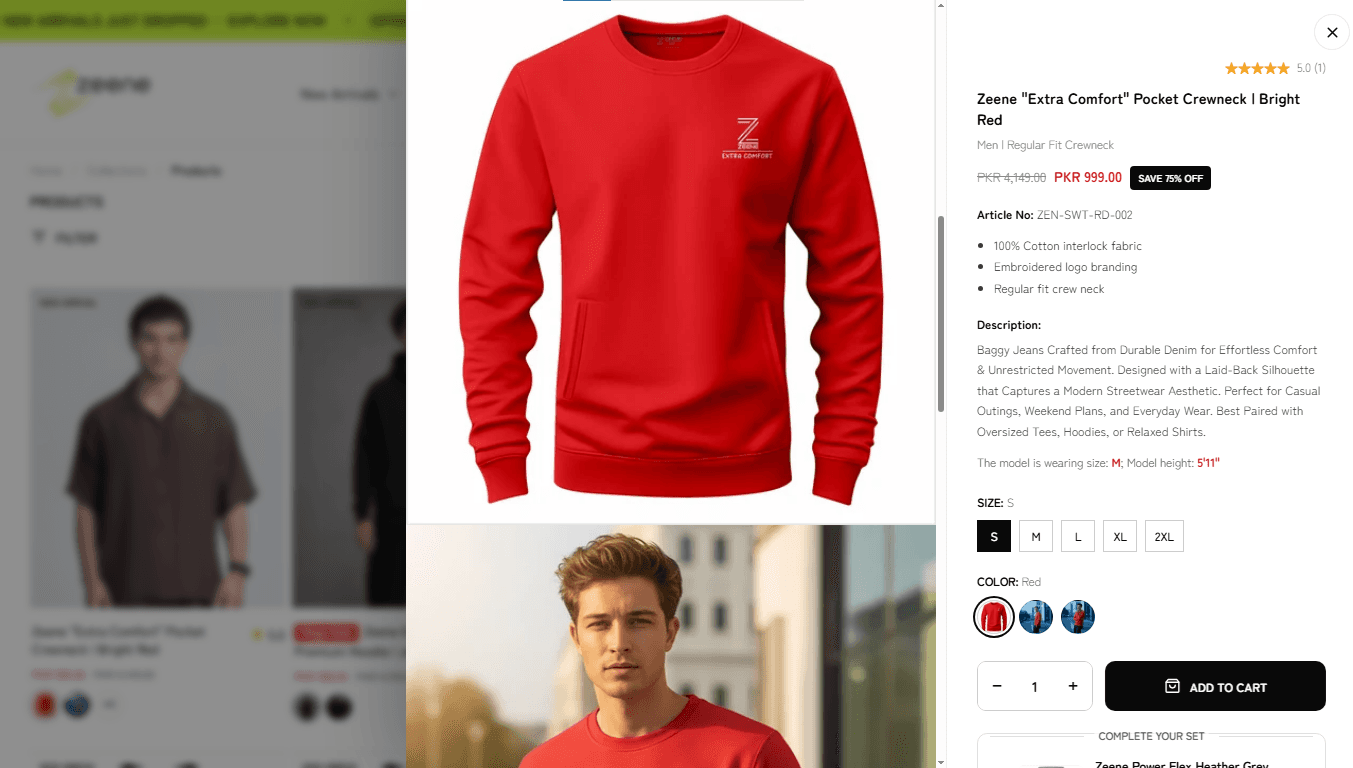
Reusable Shopify sections, built and running on live stores rather than sitting in a Figma file. Each one is a native theme section the client’s team can edit.
View showcase →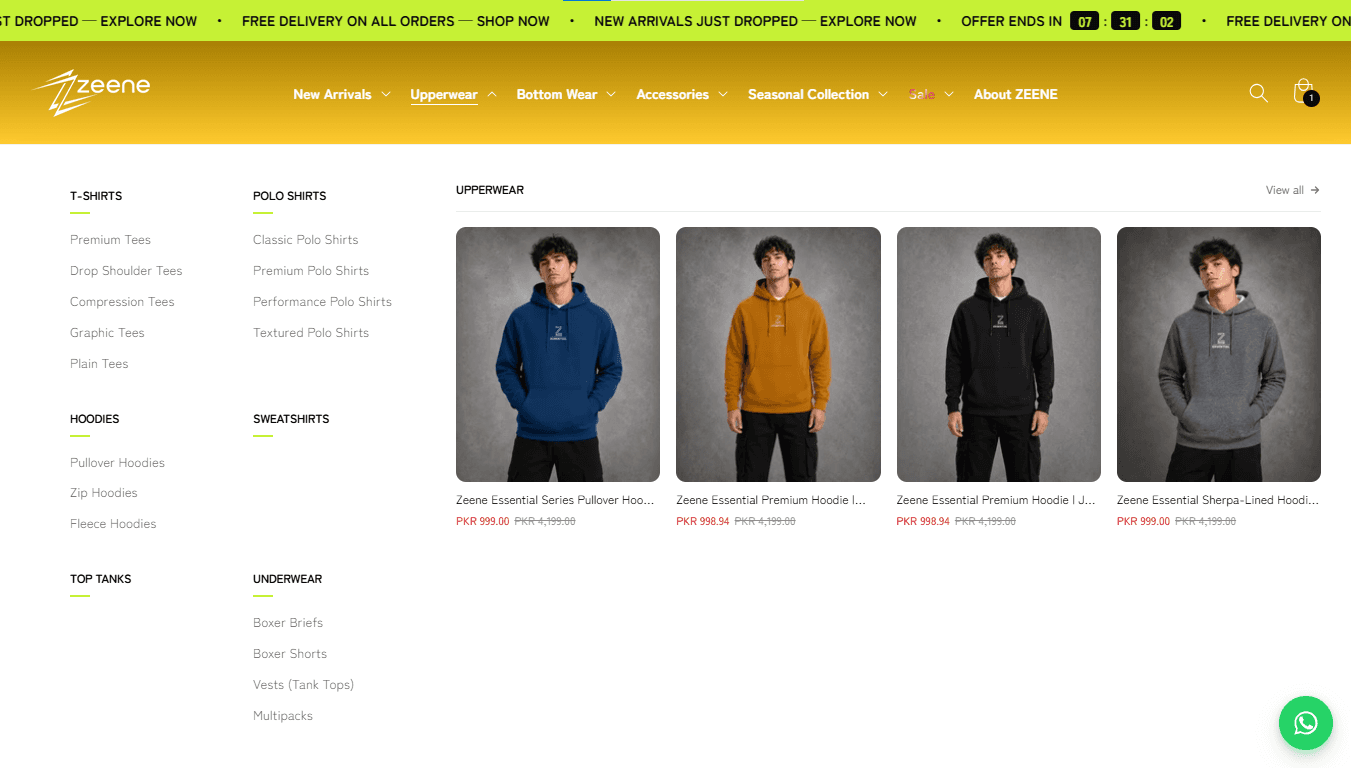
Writing & Engineering
Notes on Shopify architecture, performance, and shipping fast.

Comparing Shopify Plus vs Advanced Shopify on transaction fees, checkout customization, B2B wholesale, multi-store management, and ROI thresholds.

Planning to move from WooCommerce to Shopify? A step-by-step technical guide covering product data, order history, 301 redirects, and SEO rank preservation.

Should you buy an off-the-shelf Shopify theme or invest in a custom build? An honest comparison of cost, performance, conversion rates, and scaling limits.
I lead Shopify development for a high-traffic wearable-tech brand. I own the storefront end to end: theme architecture, custom sections, performance, and the internal tools the operations team uses every day.
One person, from the audit through to launch. Design and build are the same conversation, so nothing gets translated, approximated or lost in a handover.
View Upwork profile
Custom store builds start at $6,000, CRO sprints at $2,500 and ongoing store management at $1,500 a month. Smaller pieces of work are quoted as a fixed price once I have been through the store, so the number you approve is the number you pay.
A custom Shopify redesign is usually two to four weeks; a marketing site one to three. You get the timeline and the scope it assumes in writing before anything starts, so it is clear from the outset what would move it and what would not.
Yes. Everything is built on a duplicated staging theme and nothing is published until you have seen it working. Changes then go out in separate pieces rather than as one release, so if something regresses it is obvious which change caused it and that change alone can be rolled back.
Into the theme, where that is the better trade. Bundles, size guides, quantity breaks and quick view are usually one build rather than a subscription that loads scripts on every page for as long as you keep paying it. But if a forty-dollar app solves your problem better than two thousand dollars of custom work, I will say so.
Commented, documented code, a written summary of what changed and why, and theme editor settings for anything your team will want to adjust. You should not need me for a copy change, and the next developer should be able to read the theme without calling me. Being hard to replace is not a business model.
I am based in Karachi and keep hours that overlap UK and US mornings. Calls on Zoom, day to day by email or WhatsApp, and a reply within a working day. Store work is remote by nature — nothing about a Shopify theme needs somebody in the room.
The store URL and a sentence about what is bothering you. I go through the store, the theme and the app footprint, then come back with the specific things I would fix first and what I would expect them to be worth. That costs nothing and carries no obligation — and if what you have asked for is the wrong fix, that is the point at which it is cheap to say so.
No charge for the assessment and no obligation. If I’m not the right person for it, I’ll say so and point you at what is.
hello@bilalburney.com